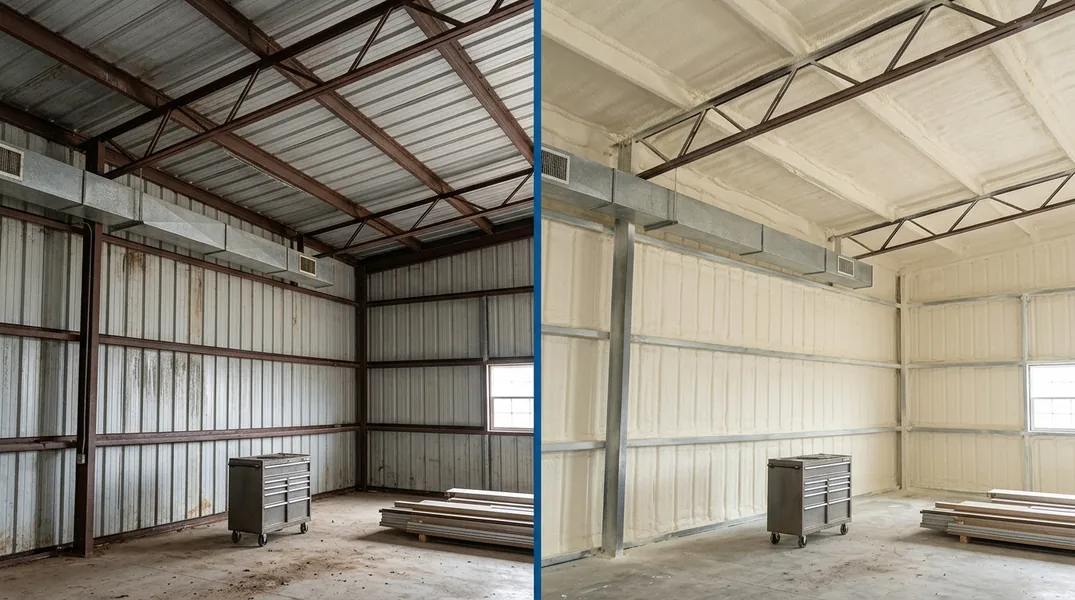
Why Mid-Century Homes in Lindley Park Need Better Wall Insulation
The charming mid-century ranch homes that define Greensboro's Lindley Park and Sunset Hills neighborhoods were built with a different era of insulation in mind. Many of these homes, constructed between the 1950s and 1970s, contain minimal wall cavity insulation or materials that have settled, degraded, or simply lost their effectiveness over decades. When you walk through these classic neighborhoods, you're seeing architectural gems that deserve proper climate control and energy efficiency upgrades.
The problem is that original insulation choices like fiberglass batts or loose-fill materials weren't designed to last 50+ years. They compress, absorb moisture, and develop gaps that allow air infiltration. Homeowners in these historic neighborhoods often notice drafts, inconsistent room temperatures, and rising utility bills. The good news is that modern Attic Spray Foam Insulation technology offers a solution specifically suited to the unique construction of these older homes. Unlike simply adding more of the same old materials, spray foam creates a continuous thermal barrier that seals every crack and crevice in your wall cavities.
Spray Foam vs Blown In Insulation: Which Works Best for Wall Cavities
When comparing spray foam versus blown in insulation for wall cavities in older homes, the differences become immediately clear. Blown in insulation, whether cellulose or fiberglass, is poured or pneumatically installed into wall cavities as loose particles. It settles over time, especially in vertical walls where gravity works against consistent coverage. In homes like those found throughout Sunset Hills, blown in insulation often leaves air pockets and voids that compromise the thermal envelope. Additionally, blown in materials can absorb moisture, leading to reduced R-value and potential mold growth in humid climates.
Spray foam, by contrast, expands as it's applied, filling every void and creating an air-tight seal. When you choose Open Cell Spray Foam Insulation or Closed Cell Spray Foam Insulation, you're getting a monolithic barrier that doesn't settle, doesn't leave gaps, and provides superior air sealing. For wall cavities specifically, closed cell spray foam offers higher R-value per inch and moisture resistance, making it the ideal choice for mid-century homes in humid North Carolina. The material bonds to studs, sheathing, and drywall, creating a structural benefit that blown in insulation cannot match.
Spray Foam vs Fiberglass: Why Your Lindley Park Home Deserves Better
Fiberglass batts were the standard insulation choice when your mid-century ranch was built, and they remain common in homes today. However, fiberglass has significant limitations that become apparent when you examine actual performance. Fiberglass requires perfect installation to be effective, with batts cut precisely to fit between studs, gaps sealed, and no compression. In reality, most fiberglass installations fall short of this ideal. Batts shift, compress, and leave thermal bridges at studs and fasteners. Over time, fiberglass can settle within wall cavities, creating voids at the top of walls where heat loss is most critical.
Spray foam eliminates these installation variables entirely. It conforms perfectly to every surface, fills around electrical outlets and pipes, and creates a continuous insulation layer with no thermal bridges. The R-value of spray foam doesn't degrade with age or settling, unlike fiberglass which loses effectiveness over decades. For homeowners in Greensboro looking to modernize their 1950s or 1960s home, upgrading from fiberglass to spray foam means lower heating and cooling costs, improved comfort, and better moisture control. The initial investment is higher, but the long-term performance and durability make it a superior choice for wall cavity insulation.
Wall & Injection Foam Insulation: The Solution for Existing Walls
One of the biggest advantages of spray foam for mid-century homes is that you don't need to tear out walls to install it. Wall & Injection Foam Insulation allows contractors to access existing wall cavities through small access points, inject expanding foam, and seal the holes afterward. This approach is perfect for homes in Lindley Park and Sunset Hills where preserving original interior finishes and exterior aesthetics is important. You can improve energy efficiency without major renovation costs or disruption to your home.
The injection process involves drilling small holes in exterior walls or between studs from the interior, depending on the wall construction. Trained technicians then inject spray foam that expands to fill the entire cavity. Once cured, the foam provides superior air sealing and insulation value compared to what was likely there originally. For homes with settled fiberglass, deteriorated cellulose, or empty cavities, this method transforms wall performance without requiring drywall removal or extensive patching. The process is clean, relatively quick, and leaves minimal visual impact on your home's interior or exterior.
Spray Foam vs Cellulose: Understanding Your Insulation Options
Cellulose insulation is sometimes marketed as an eco-friendly alternative to fiberglass, and while it does contain recycled paper, it shares many of the same performance limitations as other loose-fill materials. Cellulose settles significantly over time, particularly in vertical wall cavities, leaving voids at the top of walls. It also absorbs moisture readily, which reduces its R-value and can create conditions for mold and decay. In humid climates like North Carolina, cellulose insulation requires careful installation with proper vapor barriers and ventilation to prevent moisture problems.
Spray foam offers superior performance in every category where cellulose falls short. It doesn't settle, it resists moisture, and it provides air sealing that cellulose cannot match. When comparing spray foam versus cellulose for wall cavities in older homes, the choice becomes clear: spray foam delivers better long-term value, durability, and performance. If you're considering a wall cavity upgrade for your mid-century home, spray foam is the best insulation for attic spaces and walls because it addresses the root causes of energy loss: air infiltration and thermal bridging.
Getting Started with Wall Cavity Insulation in Greensboro
If you own a mid-century ranch in Lindley Park, Sunset Hills, or anywhere else in Greensboro, the first step is understanding exactly what's currently in your walls and what condition it's in. Many homeowners are surprised to learn that their walls contain minimal insulation or material that has degraded significantly. A professional assessment can identify problem areas, measure current R-values, and recommend the best approach for your specific home.
Greensboro Spray Foam Insulation specializes in wall cavity improvements for older homes throughout the region. Our team understands the unique construction methods and challenges of mid-century properties, and we know how to deliver results that improve comfort and reduce energy costs. Whether you need Wall & Injection Foam Insulation for existing walls or want to discuss other options, we're here to help. Call us at (336) 833-1513 or visit our website to request a free estimate. Let's talk about transforming your home's energy efficiency while preserving the character and charm that makes these neighborhoods special.
Looking for a professional spray foam insulation contractor in Greensboro? Greensboro Spray Foam Insulation responds fast for all your spray foam insulation needs.
Get a Free Quote